Is clog the new slop? And AI insurance woes
Welcome back to TheBriefing.ie, your favourite newsletter on technology and politics through an Irish lens. Two nuggets for you today; a new term for your least favourite AI-noyance; and the questions emerging around insuring robots. And if you stumbled across this post online - sign up below.
AI Clog
I'm frequently asked to help out on interview panels and grant reviews, and if you are involved in anything similar you will feel in your bones what text generation tools have done to these processes. I've recently been part of reviews involving well over 500 applications for a single role, with 90% of them maintaining the same grammatically coherent and cheery yet monotonous tone that a Chat GPT spits out.
Likewise editors tell me they are dealing with ten fold increases in pitches, and as I wrote recently, complaints to public bodies like the Irish Data Protection Commissioner are soaring.
 Liz Carolan
Well now there is a name for this, "AI Clog", a term coined by writer Jamie Bartlett, and it is adding costs to those who receive it. As he writes on LinkedIn;
"Now it costs practically nothing for almost anyone to generate vast volumes of polished, plausible, real-seeming material. The problem is not only that AI can produce rubbish - it can produce high enough quality material that someone else has to spend real time proving isn't legit."
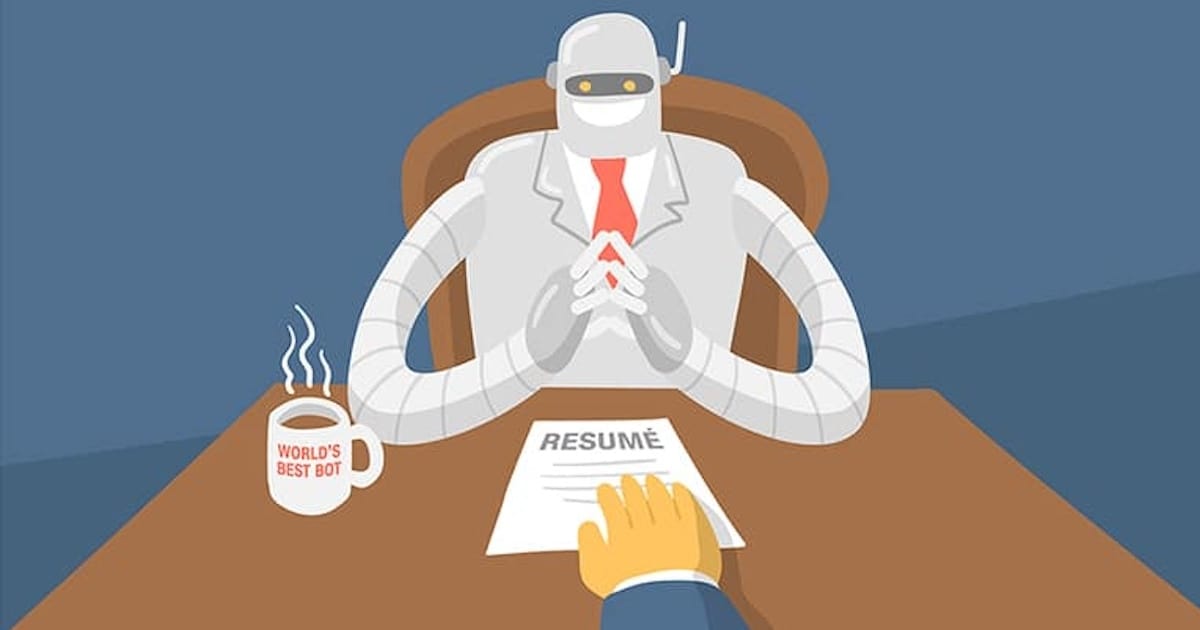
Just as the college essay was never really a good test of someone's knowledge of, well, anything, your ability to draft a cover letter was equally a weak proxy for professional competence. And your right to make a complaint should not depend on your writing confidence or access to a lawyer. But as Jamie writes:
"Unless our filtering systems improve just as quickly, public bodies, media organisations and companies are going to spend more and more of their time separating genuine human input from machine-generated noise. Clogged. And eventually, stopping altogether."
PS - Ros Atkins at the BBC did a good piece on AI in recruiting that is worth the 11 minutes; it includes the experience of young people facing robot interviews; "once I had this AI tell me that I lacked empathy".
How can you insure a robot?
I've taken to filling conversational silences with questions about how AI is affecting people's lives. An interesting response came recently from an architect friend, who pointed out that in their experience, clients weren't trying to replace her firm's services with robots. I was heartened until she gave me the reason why; "they want to have somebody to sue if or when something goes wrong".
The FT has a piece today on liability of AI companies and Directors - and the firms that insure them - for models and tools going rogue.
"Insurance broker Aon analysed more than 300 AI-related legal cases and found that insurers could also be on the hook to pay claims under policies covering crime, intellectual property, media liability, cyber security, and technology errors and omissions."
Maybe they don't even need to go rogue for costly mistakes to pile up.
ICYMI
I was on Gavin Reilly's Monday night show recently, and they mercifully publish it as a podcast, not just a video recording, so you can listen to me and these lovely folks talk budgets and AI's impact on jobs and markets here.