Pair of Dublin meetings to shape the EU's approach to AI and to defence tech
The meetings are likely to shape Europe’s approach to artificial intelligence and defence technology
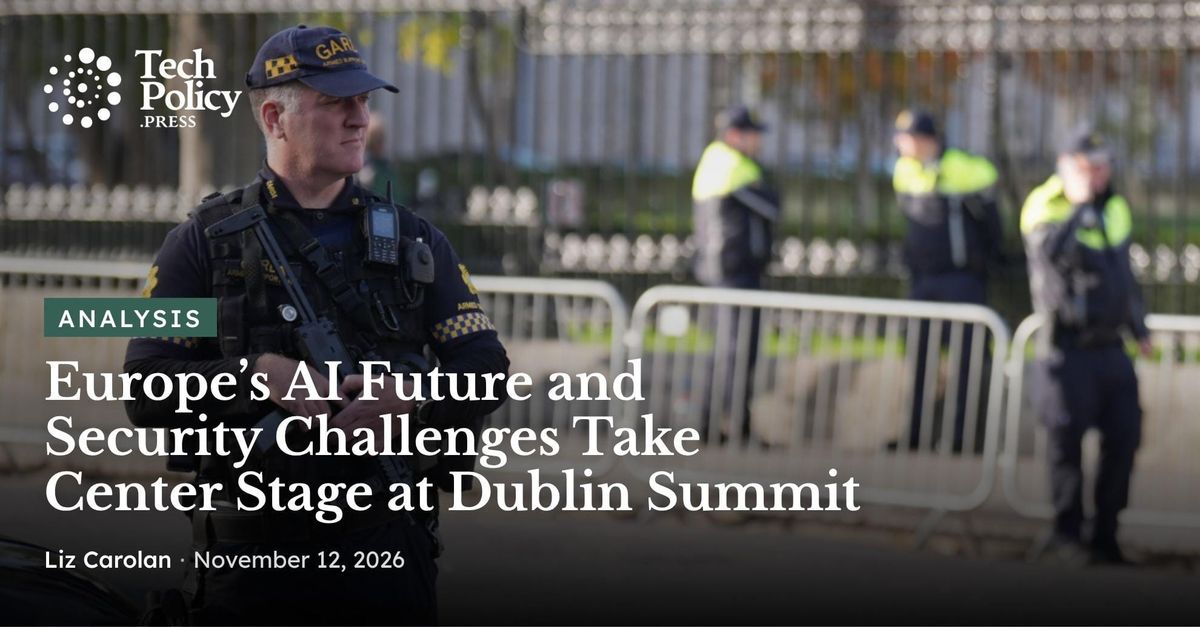
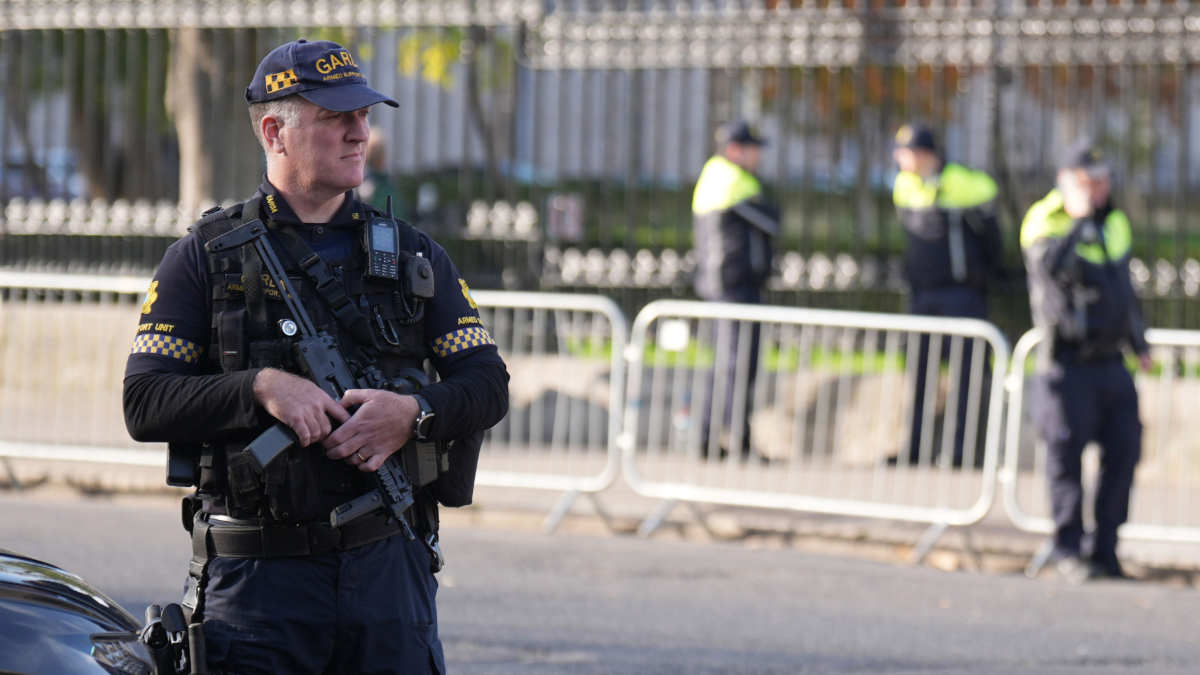
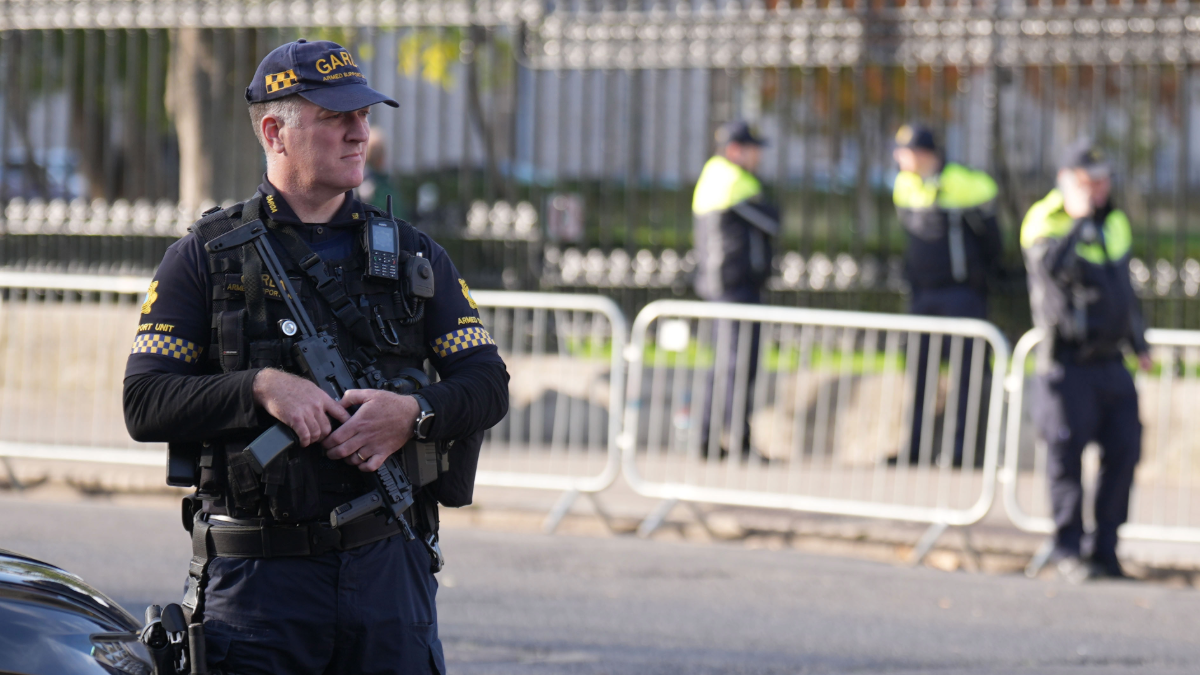
We're hearing a lot about how a gaggle of important people are in Dublin today, and about how the city has been shut down in the largest security operation in the history of the state. But I wanted to know what they were actually talking about.
I lay some of what I found out in a piece in Tech Policy Press this morning, concluding that the pair of meetings are likely to shape Europe’s approach to artificial intelligence and defence technology.
 Liz Carolan
Today's (Thursday's) meeting is the European Political Community, an innocuous sounding "informal forum for political and strategic dialogue" that was set up in 2022 in the wake of Russia's full-scale invasion of Ukraine. As I write;
Thursday’s summit will focus on security, with the official theme of the meeting “Europe – strong, secure and connected.” It is likely that discussions will include how to deal with the fallout from Ukraine’s drones being throttled by Elon Musk’s SpaceX last month, disruption that left civilians more exposed to Russian attack, according to Zelensky. This disruption to Ukraine’s war effort also left the country and its European allies looking for a replacement for Musk-controlled infrastructure, as technology and defense sovereignty continue to top the EU’s agenda. Alternatives are limited, however, with the BBC reporting that a planned European alternative to Starlink is not currently anticipated to be available until 2029.
Friday is another "informal" meeting, this time of the EU Heads of State and Government. That meeting, according to the invite, is focused on “the opportunities presented by AI, as well as on its transformative effect on our economies and societies.”
The agenda includes presentations by the CEO of French firm Mistral AI, and the Nobel laureate and “Godfather of AI” Geoffrey Hinton. Hinton left his position at Google in 2023 to, he said, speak more freely about the risks of the technology. There will then be a two-part discussion, the first of which will cover European competitiveness and AI sovereignty, and specifically how the bloc can become a “leading and sovereign player” in the AI value chain. The second part turns to AI's risks, safety and security, and to how Europe can contribute to international cooperation on the governance of advanced AI.
I write that the "two-part agenda reflects the tensions happening in EU tech policymaking" - that they EU wants to compete, and to have a big player that is under its governance, but it also wants to (well it kinda wants to) reign in the power of Big Tech and its many risks. You can read about that in the full piece:
 Liz Carolan