Missed appointments missed the point; how Gov lost the narrative war in the Fuel Protest
Sharing some incomplete thoughts on the narrative battle around the fuel protests, which feel like they are realigning Irish politics as we speak.
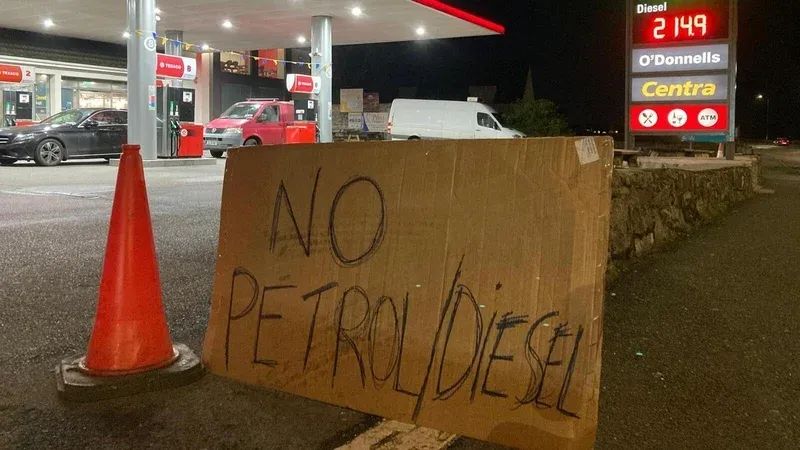
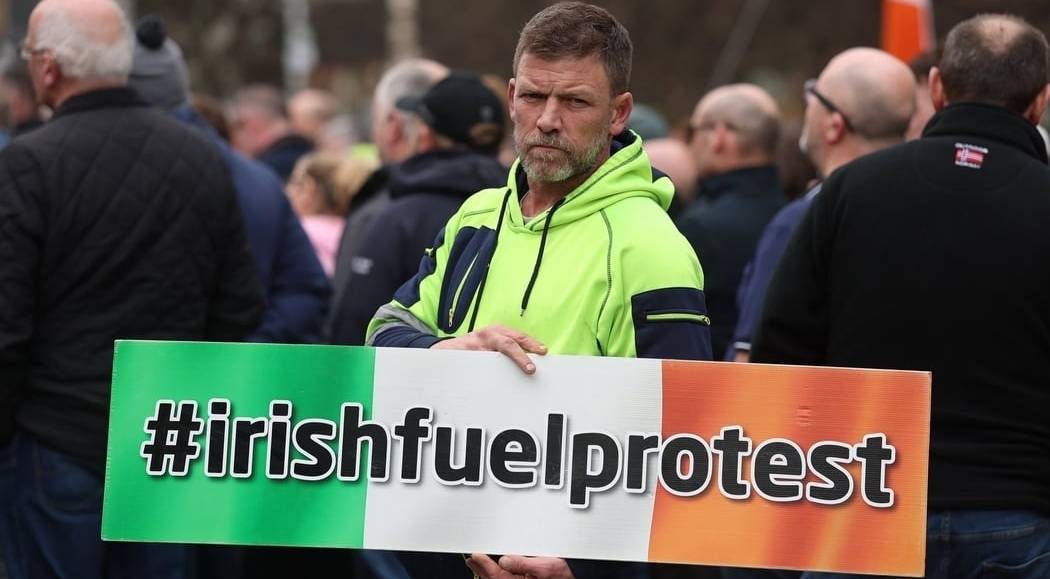
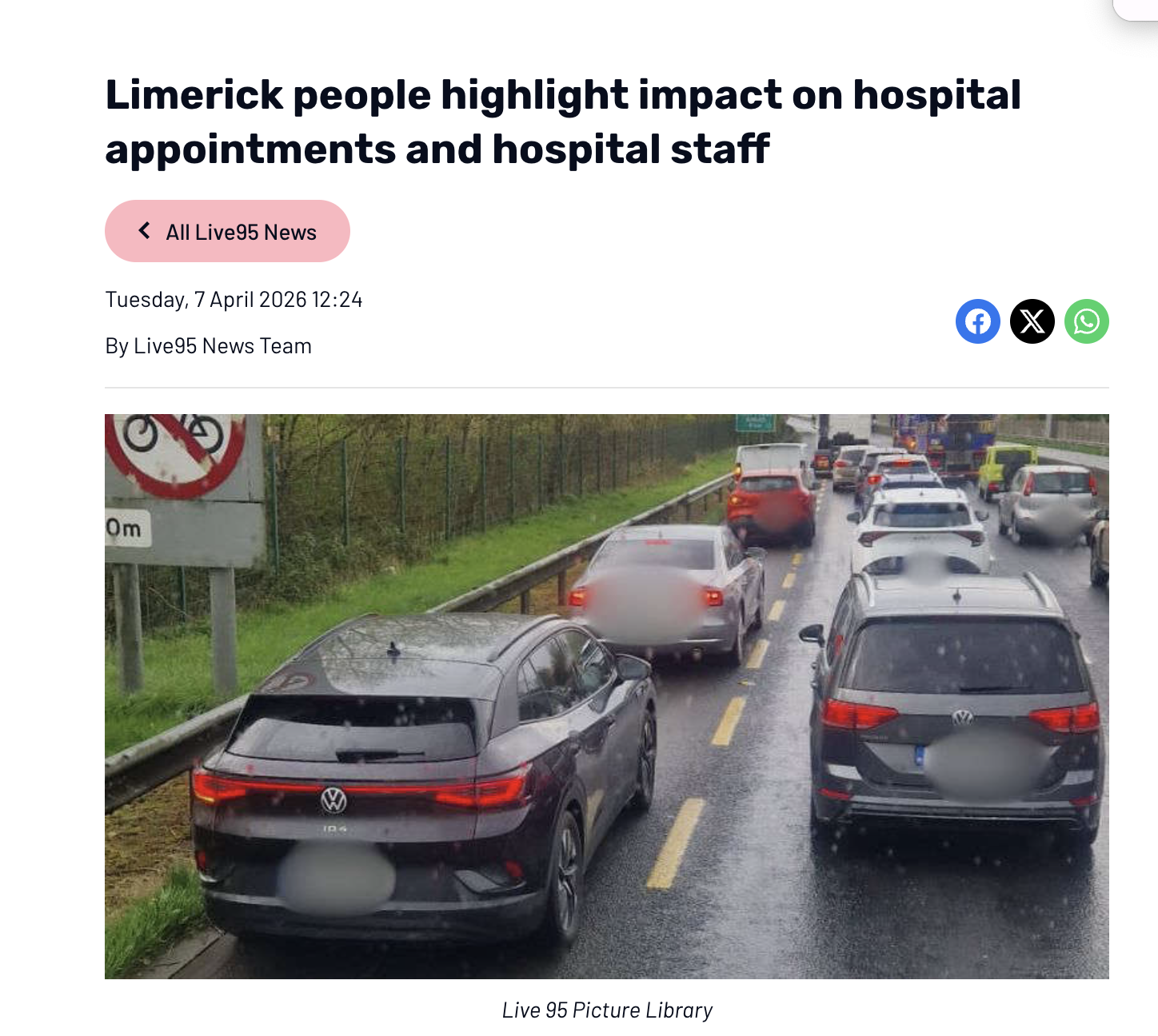
The minute the fuel protests became about missed doctors appointments and tanks running dry, the protestors won the narrative war. With that win comes a new power; we don't yet know how they will use it.
Livelihoods vs. inconveniences
Listening to the radio last week, it sounded like the debate we were having was whether it was acceptable for a group of people - who face losing their livelihoods and businesses - to temporarily inconvenience other folks.
People are, I believe, fundamentally fair, and when confronted with this choice, it isn't surprising that (according to the Irish Indo poll yesterday) most support the protestors.
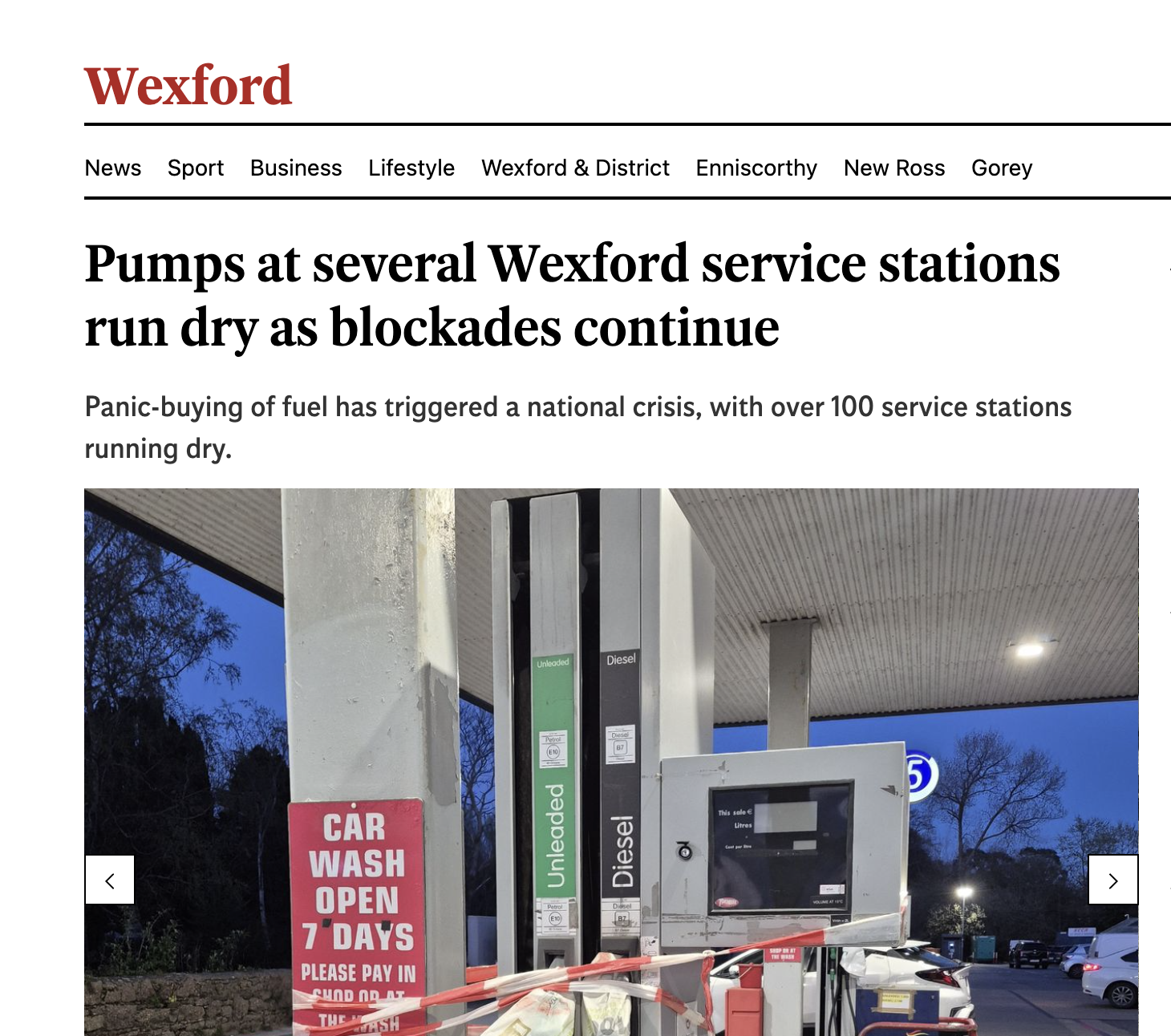
Early in the week the Government line was whether it was appropriate to write a "blank cheque" to protesting industries. But as stories emerge of individuals facing difficulties getting to hospitals, or islands' petrol stations shuttering pumps, inconveniencing became the story.
The Government failed to adequately counter this with stories of choices about the national finances; whether this was by design or whether they just lost control of the narrative, I do not know.
The wrong messenger for the "bully" narrative
Government were also mostly out on their own when it came to telling a story of the protestors as abusers of power. They spoke about the country being held to ransom, of not wanting to give in to bullies.
But that is a hard story to land for the holders of national political power to land.
This is especially true when the visuals of the protests are of people with limited economic power; a stat circulating widely was about farm income being €20k per year. David was blocking Goliath, and Goliath wasn't the right spokesperson to say this wasn't fair.
The point about national finances completely lost
This story then mixed with one of the most pervasive myths in Irish political life; that "The Government" has money.
Government - civil servants and ministers - steward, control and allocate OUR money; yes, the money of the famous People of Ireland.
(FWIW, going back to the Bertie days at least, this isn't exactly what successive Governments - especially pre-election ones - have wanted any of us to believe as they hand out goodies and claim the credit).
Money in comes from taxes; income taxes, VAT, excise duties, corporate taxes, stamp duty, capital gains, loans etc. It goes out as pension payments, teacher salaries, vaccination programmes, industry subsidies, disability services, loan interest payments, housing payments, fines to Brussels etc.
Some of it goes into a savings account, that is to pay for these same things, but in the future when the FDI gravy train comes screeching to a halt.
That money is ours, it does not belong to ministers or anyone else, though they have have an extremely strong say in where it goes.
The fight over trade-offs is politics
How this money gets collected and where it gets distributed is something we all have to fight over - the basic function of politics is that we do this through elections rather than wars.
Money not collected through tax cuts, or money granted in subsidies or grants, means money not there to pay for other things, taxes raised or not lowered elsewhere, money borrowed (and paid back by our kids), or money taken from reserves (and our future selves).
And the easy answers - whether they are "stop sending money overseas" or "raid the future fund" - are absolutely not consequence free.
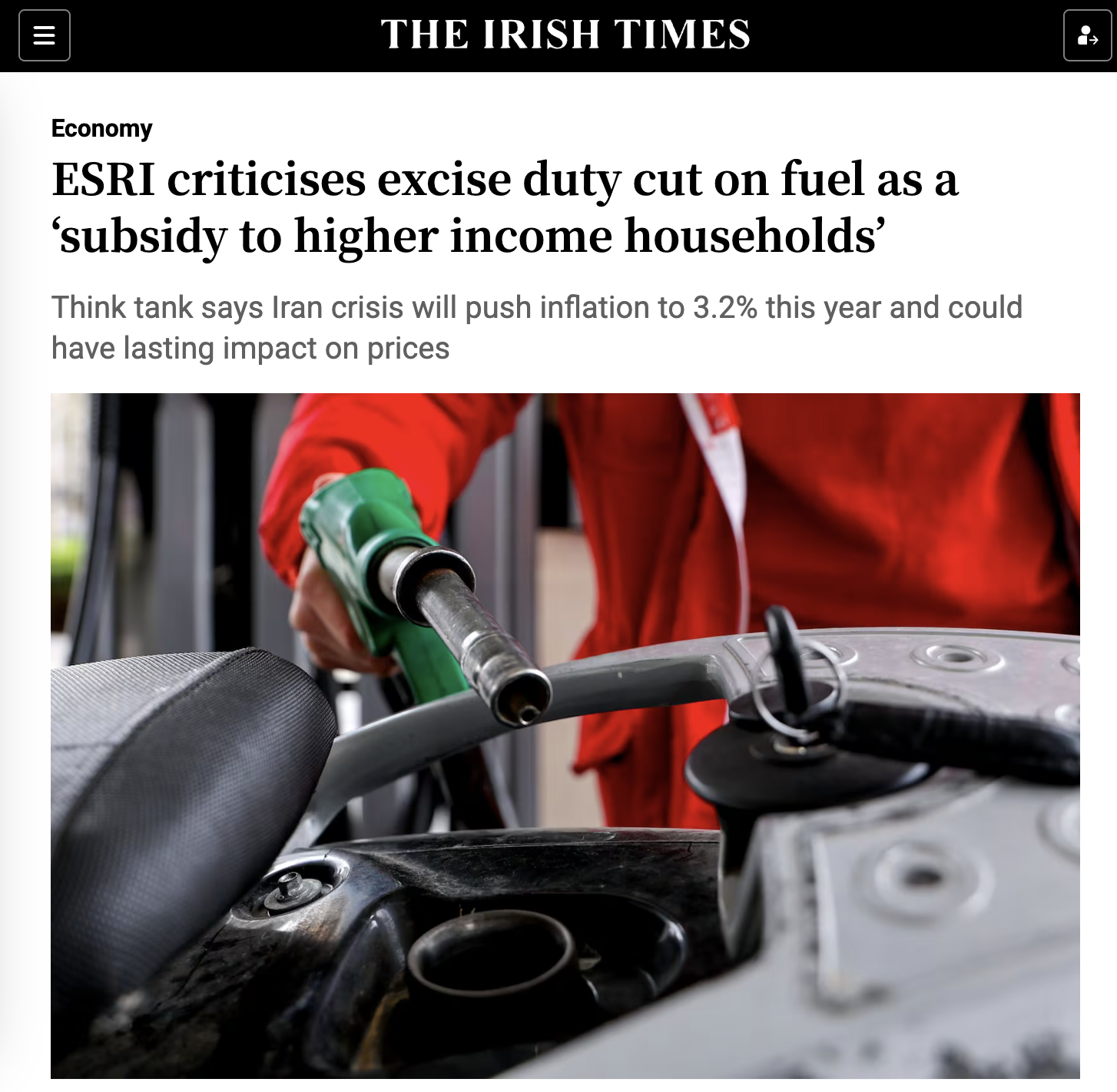
Whataboutery
I don't like it either; I hate the bullsh*t "whataboutery" that pits disability payments against housing against rural business development.
That is why we protest, and why (in my personal politics) we need to advocate for fairer tax systems - especially corporate taxes - and for a greater voice at the table for those who do have limited power, so that our money is distributed fairly.
 Liz Carolan
So what happens now with this new power?
With my politics, I look at the fuel protests and I see industries - who do need support, absolutely - using the power that they have to push politics in their direction And it sounds like it is working.
And it is power - because not every interest in this country owns 10,000kg trucks capable of bringing supply chains to their knees and force decision makers to take notice.
But as the details of that win become clear, a test emerges for this new power in Irish politics; how will they use their power?
And having evoked the people in their campaign, how hard will they push for the benefits to reach those who supported them?
ICYMI
Liz Carolan